
Strategy
Milkrun, a cautionary tale of customer profitability
Milkrun raised $86m and delivered groceries in ten minutes. It lost money on every order it fulfilled, which left it nowhere to go.
The arithmetic
A model that could not be grown out of.
Figures as reported at the time of the collapse, including by the Financial Review.
$86m
raised from investors
400
staff laid off when it closed
$13
lost on every order fulfilled
$10m
paid for the assets by Woolworths
Milkrun was a Sydney start-up that was going to change grocery delivery. It collapsed in April 2023, having raised $86m from investors, and laid off all 400 staff.
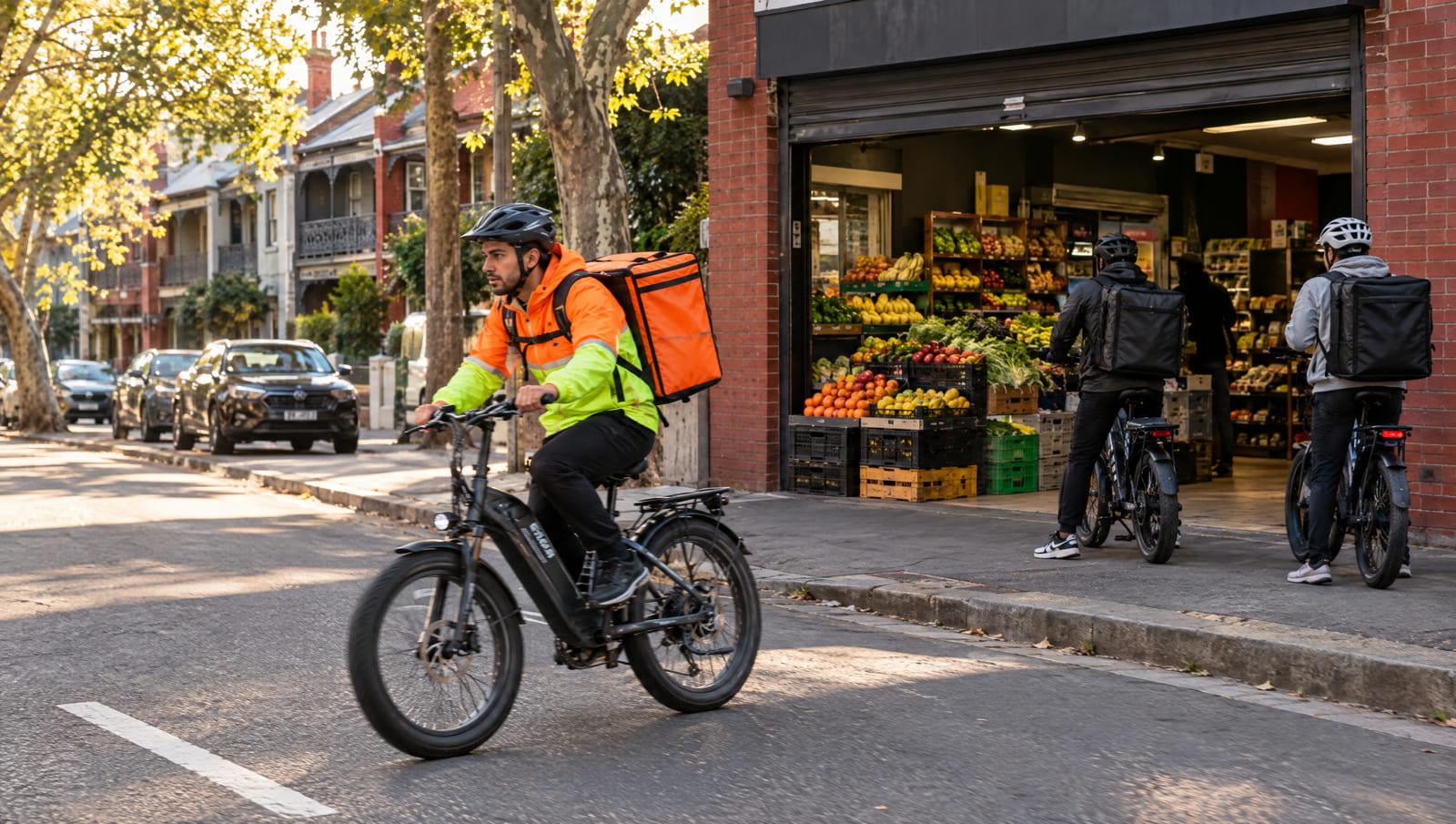
It ran from a network of dark stores holding around 2,000 lines, with delivery riders on e-bikes getting orders to customers in ten minutes or less. It made a point of employing its riders directly rather than as contractors, on better terms than the food delivery platforms.
A high stakes gamble
With losses mounting and interest rates rising, the venture investors lost patience. Unable to raise again, Milkrun sold its assets to Woolworths for $10m.
Woolworths sensibly did not repeat the model. It took the brand and applied it to a delivery service already running out of its metro stores.
For the venture investors this was one bet among many, in a sector that expects most of them to fail. For everyone else, the more useful point is that the model was flawed from the outset.
Losing money on every order
As reported in the Financial Review, Milkrun was losing around $13 on every order it fulfilled. The gross profit on an order, the basket value multiplied by the margin, did not cover the direct cost of picking and delivering it.
Growth, which the business was good at, could not fix that. When each order loses money, more customers make the position worse rather than better.
Nowhere left to go
That left two levers: lift the revenue per order, or cut the cost of fulfilment.
Lifting revenue was hard. Customers will pay something for convenience, but push the price and they walk to the shop instead, and Milkrun operated in dense suburbs with plenty of nearby options. Basket size was capped too, because last-minute convenience shopping is small by nature.
The cost base was equally fixed. Having chosen to employ fulfilment staff directly on generous terms, the business had committed to a cost structure it could not unwind without abandoning the proposition.
Customer profitability is the foundation
None of this made a turnaround impossible so much as arithmetically unavailable, and the failure to raise again simply confirmed it. Milkrun was left exposed because it had no base of profitable customers underneath the growth.
Customer profitability is one of the areas we test in a strategic review. On the evidence, a closer look at it before the cheques were written would have been worth $86m.

Capability
Our strategy capabilities.
Most of our strategy work starts with a conversation about the decision in front of you, and what would have to be true for each way out of it.